One of the most important decisions when launching an online store is choosing the right payment gateway. No matter how attractive your website looks or how excellent your products are, customers won’t complete their purchases if the payment process is slow, confusing, or insecure. A reliable payment gateway ensures transactions are processed safely while providing customers with a smooth checkout experience.
In 2026, online shoppers expect more than just credit card payments. They want digital wallets, buy now pay later (BNPL) options, local payment methods, and fast, secure checkouts. Businesses that offer flexible payment options often enjoy higher conversion rates and lower cart abandonment.
This comprehensive guide explains what payment gateways are, why they matter, the essential features to look for, and the best payment gateways available for e-commerce businesses in 2026.
What Is a Payment Gateway?
A payment gateway is a technology that securely transfers payment information between your customer, your online store, and the financial institutions involved in the transaction.
When a customer enters payment details during checkout, the payment gateway encrypts that information, verifies the transaction, and either approves or declines the payment within seconds.
Without a payment gateway, online businesses would not be able to process secure digital payments.
Why Choosing the Right Payment Gateway Matters
The payment gateway directly influences customer satisfaction and business performance.
A good payment solution provides:
- Fast payment processing
- Secure transactions
- Multiple payment methods
- Fraud protection
- Reliable uptime
- Easy integration
- Transparent pricing
- International payment support
A poor checkout experience can lead to abandoned shopping carts and lost revenue.
Key Features to Look For
Before selecting a payment gateway, evaluate these important features.
Security
Security should always be the top priority.
Look for gateways that provide:
- SSL encryption
- Tokenization
- Fraud detection
- PCI DSS compliance
- Two-factor authentication
- Real-time risk monitoring
Secure payment systems protect both businesses and customers.
Multiple Payment Methods
Customers prefer different ways to pay.
The ideal gateway should support:
- Credit cards
- Debit cards
- Digital wallets
- Bank transfers
- Buy Now Pay Later (BNPL)
- Local payment options
Providing more payment choices improves conversion rates.
Easy Integration
Your payment gateway should integrate smoothly with your e-commerce platform.
Popular integrations include:
- WooCommerce
- Shopify
- Magento
- BigCommerce
- Wix
- Custom websites
Simple integration saves time during setup.
Transparent Pricing
Payment gateways typically charge:
- Transaction fees
- Currency conversion fees
- Monthly subscription fees
- Chargeback fees
Compare the complete pricing structure before making your decision.
Mobile Payments
With mobile commerce continuing to grow, payment gateways should offer fast, mobile-friendly checkout experiences.
Responsive payment pages reduce friction and improve customer satisfaction.
1. Stripe
Stripe is one of the most popular payment gateways for online businesses worldwide.
Advantages
- Easy integration
- Supports recurring payments
- Developer-friendly APIs
- Excellent security
- Global availability
- Digital wallet support
Best For
- SaaS companies
- Subscription businesses
- Online stores
- Custom web applications
Limitations
- Advanced customization may require development knowledge.
2. PayPal
PayPal remains one of the most recognized online payment providers.
Many customers already trust and regularly use PayPal for online purchases.
Advantages
- Strong brand recognition
- Buyer protection
- International payments
- Quick setup
- Mobile-friendly checkout
Best For
- Small businesses
- Freelancers
- International sellers
Limitations
- Transaction fees may be higher than some alternatives.
3. Square
Square offers payment solutions for both online and physical businesses.
Features include:
- Online payments
- Point-of-sale systems
- Inventory management
- Customer management
- Invoicing
Square works particularly well for businesses that sell both online and in physical locations.
4. Authorize.Net
Authorize.Net has served online businesses for many years.
Key features include:
- Fraud detection
- Recurring billing
- Customer information management
- Virtual terminal
- Digital invoicing
It remains a trusted option for established businesses.
5. Amazon Pay
Amazon Pay allows customers to complete purchases using their existing Amazon accounts.
Benefits include:
- Faster checkout
- Trusted payment experience
- Reduced friction
- Familiar user interface
Customers appreciate not having to create new payment accounts.
6. Apple Pay
Apple Pay continues to grow as mobile shopping increases.
Advantages include:
- One-touch payments
- Strong security
- Biometric authentication
- Fast mobile checkout
Businesses targeting Apple device users often see improved mobile conversion rates.
7. Google Pay
Google Pay provides another convenient digital wallet option.
Benefits include:
- Fast checkout
- Secure tokenization
- Mobile optimization
- Broad Android support
Offering both Apple Pay and Google Pay helps serve a wider customer base.
8. Adyen
Adyen supports global enterprises and rapidly growing businesses.
Features include:
- International payment methods
- Unified commerce
- Fraud prevention
- Advanced reporting
- Omnichannel payments
It is well suited for businesses operating across multiple countries.
9. Razorpay
Razorpay is popular among businesses serving customers in India.
Features include:
- UPI payments
- Credit cards
- Net banking
- Wallet payments
- Subscription billing
It offers extensive local payment support.
10. 2Checkout (Verifone)
2Checkout specializes in international digital commerce.
Advantages include:
- Global payments
- Subscription management
- Tax handling
- Multiple currencies
- Fraud protection
It works particularly well for software and digital product businesses.
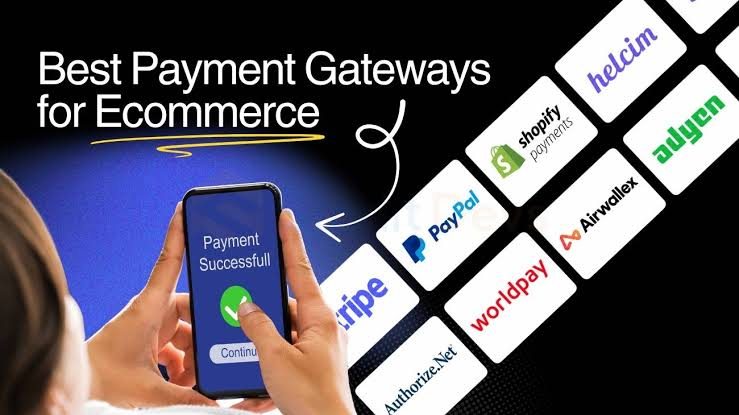
Comparison Table
| Payment Gateway | Best For | International Payments | Recurring Billing | Mobile Support |
|---|---|---|---|---|
| Stripe | SaaS & E-commerce | Excellent | Yes | Excellent |
| PayPal | Small Businesses | Excellent | Yes | Excellent |
| Square | Retail & Online | Good | Yes | Excellent |
| Authorize.Net | Established Businesses | Good | Yes | Very Good |
| Amazon Pay | Fast Checkout | Good | No | Excellent |
| Apple Pay | Mobile Users | Good | Limited | Excellent |
| Google Pay | Android Users | Good | Limited | Excellent |
| Adyen | Global Enterprises | Excellent | Yes | Excellent |
| Razorpay | Indian Market | Limited | Yes | Excellent |
| 2Checkout | Digital Products | Excellent | Yes | Excellent |
How to Choose the Right Payment Gateway
The best payment gateway depends on your business needs.
Consider the following questions:
Where are your customers located?
If you sell internationally, choose a gateway with strong global support and multiple currencies.
What products do you sell?
Subscription businesses require recurring billing.
Digital products may require automated tax handling.
Physical retailers may benefit from omnichannel payment solutions.
What payment methods do customers prefer?
Research your audience’s preferred payment methods before deciding.
What are your transaction volumes?
High-volume businesses should carefully compare transaction fees.
Tips for Increasing Checkout Conversions
Choosing a payment gateway is only one part of optimizing your checkout.
Improve conversions by:
- Offering guest checkout
- Displaying security badges
- Providing multiple payment options
- Showing shipping costs upfront
- Reducing checkout steps
- Optimizing for mobile devices
- Offering local payment methods
- Using autofill features where appropriate
A smoother checkout process encourages more completed purchases.
Common Payment Gateway Mistakes
Many businesses unintentionally reduce sales by making poor payment decisions.
Avoid these common mistakes:
- Offering only one payment method
- Ignoring international customers
- Choosing based solely on transaction fees
- Forgetting mobile optimization
- Complicated checkout forms
- Poor fraud protection
- Lack of payment testing before launch
Testing the complete payment process before opening your store helps prevent customer frustration.
Payment Security Best Practices
Protecting customer payment information is essential.
Follow these best practices:
- Use HTTPS across your entire website.
- Enable two-factor authentication for administrator accounts.
- Keep your e-commerce platform updated.
- Monitor transactions for unusual activity.
- Use strong passwords.
- Perform regular security audits.
- Back up your website frequently.
A secure store builds customer confidence and protects your business reputation.
The Future of Online Payments
Digital payments continue to evolve rapidly.
Some of the biggest trends shaping the future include:
- AI-powered fraud detection
- Biometric authentication
- One-click checkout
- Cryptocurrency integration in selected markets
- Faster cross-border payments
- Open banking solutions
- Contactless mobile commerce
- Voice-assisted purchasing
Businesses that adopt modern payment technologies while maintaining strong security will be better positioned for long-term success.
Final Thoughts
Choosing the best payment gateway for your e-commerce business is about much more than processing transactions. The right solution enhances customer trust, simplifies checkout, supports multiple payment methods, and provides the security needed to protect both your business and your customers.
For many businesses, Stripe and PayPal remain excellent all-around choices due to their ease of integration, global reach, and robust feature sets. Retailers with both online and physical stores may benefit from Square, while businesses targeting specific regions or operating internationally should consider gateways that support local payment methods and multiple currencies.
Before making your decision, evaluate your business model, target audience, expected sales volume, and long-term growth plans. A well-chosen payment gateway can reduce cart abandonment, improve customer satisfaction, and contribute significantly to the success of your online store.